
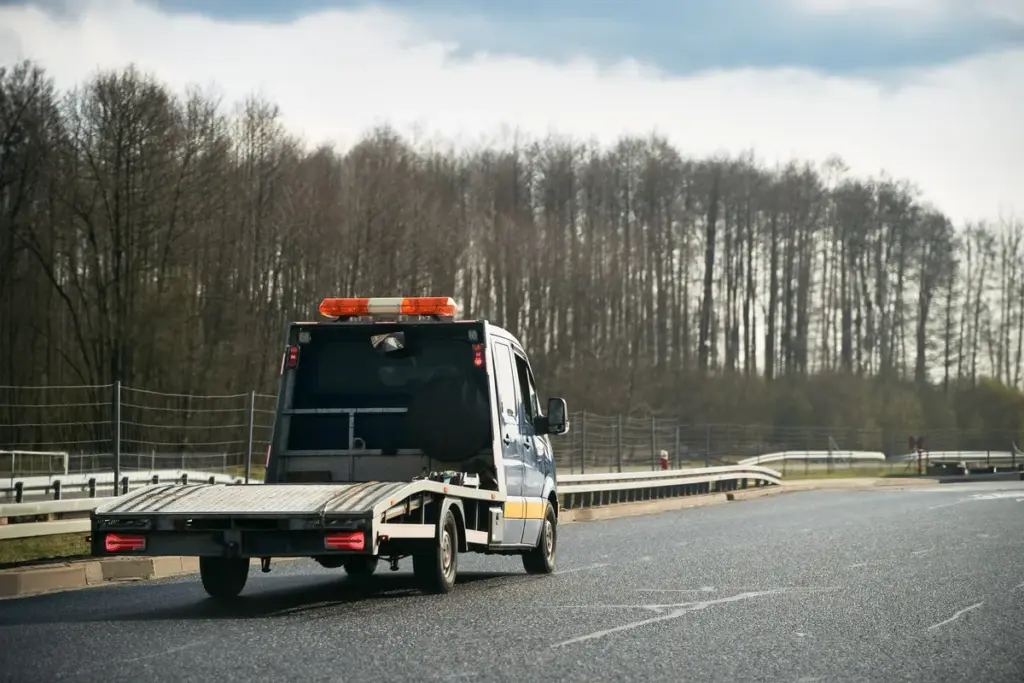
Most drivers wait too long. They sit on the side of I-85 with hazard lights blinking, convinced the car will somehow fix itself, or that calling for a towing service in Charlotte is an overreaction. It rarely is. Knowing when to make that call, and when you’re genuinely safe to wait, is one of those practical skills that can save you money, stress, and sometimes a lot more than that.
Your Car Is Telling You Something, Are You Listening?
There’s a difference between a minor inconvenience and a situation that’s about to get much worse. A flat tire on a quiet side street in Plaza Midwood is one thing. A transmission that’s slipping on I-277 during rush hour is something else entirely.
Certain warning signs should put you on the phone immediately. If your engine is overheating and the temperature gauge is climbing into the red, driving even a few more miles can warp the cylinder head, a repair that runs into thousands of dollars. If you smell burning oil or see smoke, the vehicle needs to stop moving, period. Brake failure is another non-negotiable. If the pedal goes soft or sinks to the floor, you’re not driving that car anywhere safely.
The mistake most people make is thinking they can “nurse it” to the nearest shop. Sometimes that works. Often, it turns a $400 repair into a $1,500 one. A local Charlotte towing company can get your vehicle to the right shop without adding more damage to an already bad situation.
Charlotte Roads Have Their Own Set of Complications
This city’s road network is not forgiving to a driver in distress. The combination of high-speed interstates, narrow surface streets, and construction zones that seem to multiply overnight creates real hazards for anyone who breaks down. Sitting on the shoulder of I-485 at night is genuinely dangerous, not just uncomfortable.
Charlotte also deals with summer heat that pushes vehicles hard. Coolant systems, batteries, and tires all take a beating between June and September. Many drivers who’ve called for roadside help during those months say they wish they hadn’t waited as long as they did. The heat made everything worse faster than they expected. If you want to get ahead of that, this breakdown of summer towing tips for Charlotte drivers covers the specific risks worth knowing before temperatures peak.
Winter brings its own issues. Ice on bridges and overpasses catches people off guard, and a vehicle that’s slid off the road or gotten stuck needs professional extraction, not a well-meaning friend with a rope and a pickup truck. That approach causes more damage than it prevents.
The Situations People Underestimate Every Single Time
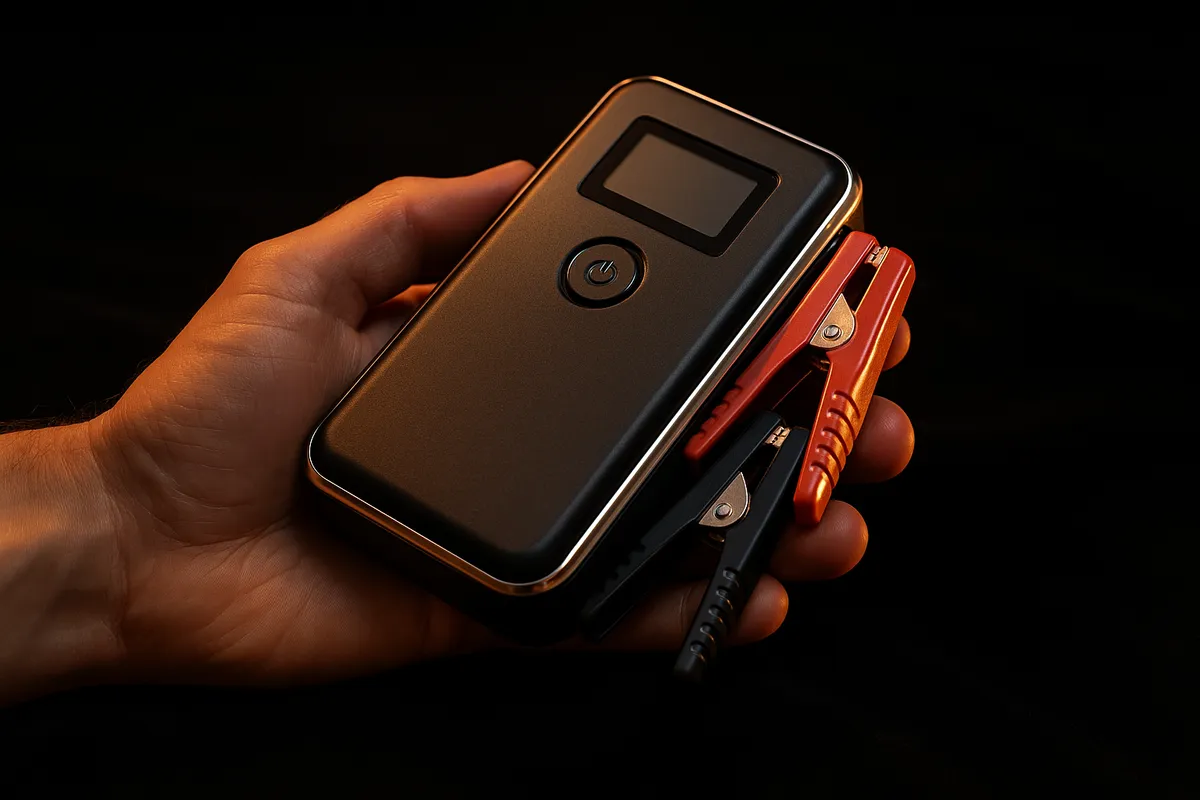
Dead battery is probably the most common call any roadside operator gets. And it’s also the one drivers most often try to handle themselves. Jumper cables and a good Samaritan seem like the obvious solution, and sometimes they work. But if your battery is dying repeatedly, or if the car won’t hold a charge after a jump, driving it around hoping to recharge it is a gamble. You may end up stranded again two miles down the road.
Lockouts are another one. People try coat hangers, apps, YouTube tutorials. Some of those work. Many don’t, and a few actually damage the door frame or lock mechanism. A professional can handle it in minutes without leaving a mark.
Accidents are where the decision gets more complicated. Even a minor fender bender can leave a vehicle with hidden damage, bent control arms, misaligned wheels, fluid leaks that aren’t obvious at first glance. If there’s any doubt about whether the car is safe to drive, the smarter move is to have it looked at before putting it back on the road. Calling for help isn’t admitting defeat; it’s making a practical choice about risk.
One thing customers consistently appreciate about working with an experienced local operator is the straightforward advice. No pressure, no upselling, just an honest read on whether the vehicle can be driven or needs to be moved. That kind of transparency matters when you’re already stressed on the side of the road.
What to Do While You Wait
Once you’ve made the call, there’s a right way to wait. If you’re on a highway or high-speed road, get as far off the travel lane as possible, ideally behind a guardrail if one is available. Turn on your hazard lights immediately, even in daylight. If you have road flares or reflective triangles, use them. Stay in your vehicle if you’re on a busy road; standing outside is statistically more dangerous than staying buckled inside.
Give the dispatcher your exact location. Landmarks help, exit numbers, cross streets, mile markers, or even a nearby business name. The faster the crew can find you, the faster you’re out of a bad situation.
Keep your insurance card and registration accessible. Many shops will ask for that information when the vehicle arrives, and having it ready speeds up the process. If you’re unsure what to expect when the truck arrives, these vehicle recovery insights walk through exactly what happens from the moment the operator pulls up.
The bottom line is simple: when something feels wrong with your vehicle, trust that instinct. Charlotte’s roads are busy, the weather is unpredictable, and a vehicle that’s struggling rarely gets better on its own. Calling sooner is almost always the smarter move.
Frequently Asked Questions
How far can I safely drive if my engine temperature gauge is climbing into the red?
The honest answer is you shouldn’t drive it at all once the gauge hits red, even a few miles can warp the cylinder head, which turns a manageable repair into one that can cost thousands of dollars. Pull over, shut the engine off, and make the call rather than trying to nurse it to the nearest shop. That short drive is almost never worth the risk.
Is it really that dangerous to wait on the shoulder of a Charlotte highway while I figure out my options?
Yes, especially at night, the article specifically calls out I-485 as a genuinely dangerous place to sit, not just an uncomfortable one. Charlotte’s mix of high-speed interstates and heavy traffic means the shoulder is not a safe place to linger while you troubleshoot. Getting off the road and getting help moving is the priority.
Can’t a friend with a pickup truck just pull my car out if it’s stuck or slid off the road?
The article is direct about this: that approach causes more damage than it prevents, especially when ice or a ditch is involved. A rope and a pickup truck don’t account for the angles, the weight distribution, or what’s already stressed on the vehicle. Professional extraction equipment exists for exactly this reason.
My car started after a jump, do I still need to call someone, or can I just drive it to a shop?
If the battery is dying repeatedly or won’t hold a charge after a jump, driving it around hoping it recharges is a gamble that can leave you stranded again two miles down the road. A jump that works once doesn’t tell you much about whether the battery is actually reliable. It’s worth getting it properly assessed rather than finding out the hard way.
What information should I have ready when I call for help in Charlotte?
Give the dispatcher your exact location using whatever landmarks are closest, exit numbers, mile markers, cross streets, or a nearby business name all work. Also have your insurance card and registration accessible, since the shop will likely ask for that when your vehicle arrives. The faster the crew can locate you, the faster you’re out of a bad spot.