
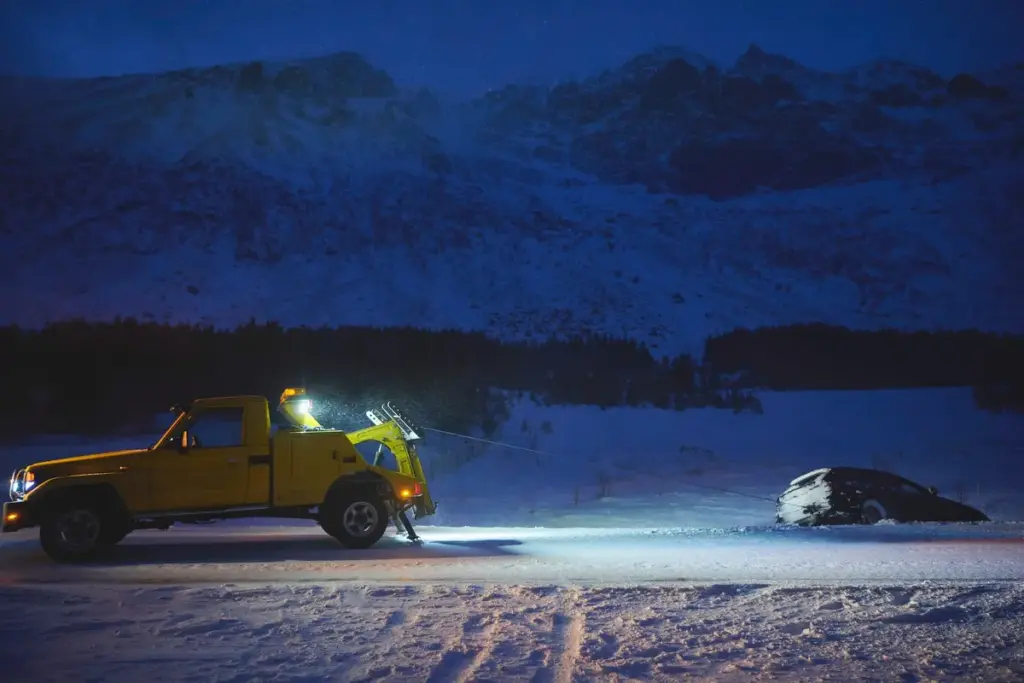
There’s a moment every driver dreads, you’re stuck on the side of I-77 with a car that won’t budge, traffic rushing past, and no clear plan. Whether it’s a ditch, a flooded lot, or a mechanical failure that left you stranded, knowing when to call for vehicle recovery in Charlotte can be the difference between a minor inconvenience and a costly, dangerous ordeal. The instinct to handle it yourself is understandable, but it’s often the wrong call.
The Situations That Catch Drivers Off Guard
Most people assume they’ll only need roadside help after a dramatic accident. The reality is far more mundane, and far more common. A tire blows on I-485 during rush hour. Someone parks too close to a curb on a wet night in South End and slides into a ditch. A battery dies in a parking garage in Uptown with no one around to jump it.
Charlotte’s road layout doesn’t do drivers any favors either. The city has a mix of tight urban streets, fast-moving interstates, and suburban roads that can turn tricky in a hurry, especially when rain hits. And Charlotte gets plenty of rain. Flash flooding is a real concern in low-lying areas, and vehicles that get caught in standing water need careful extraction, not a buddy with a truck and a tow strap.
The point is: the situations that require professional help are often the ones nobody planned for. That’s exactly why having a reliable number saved in your phone matters more than most people think until the moment they actually need it.
Why Trying to DIY a Recovery Usually Makes Things Worse
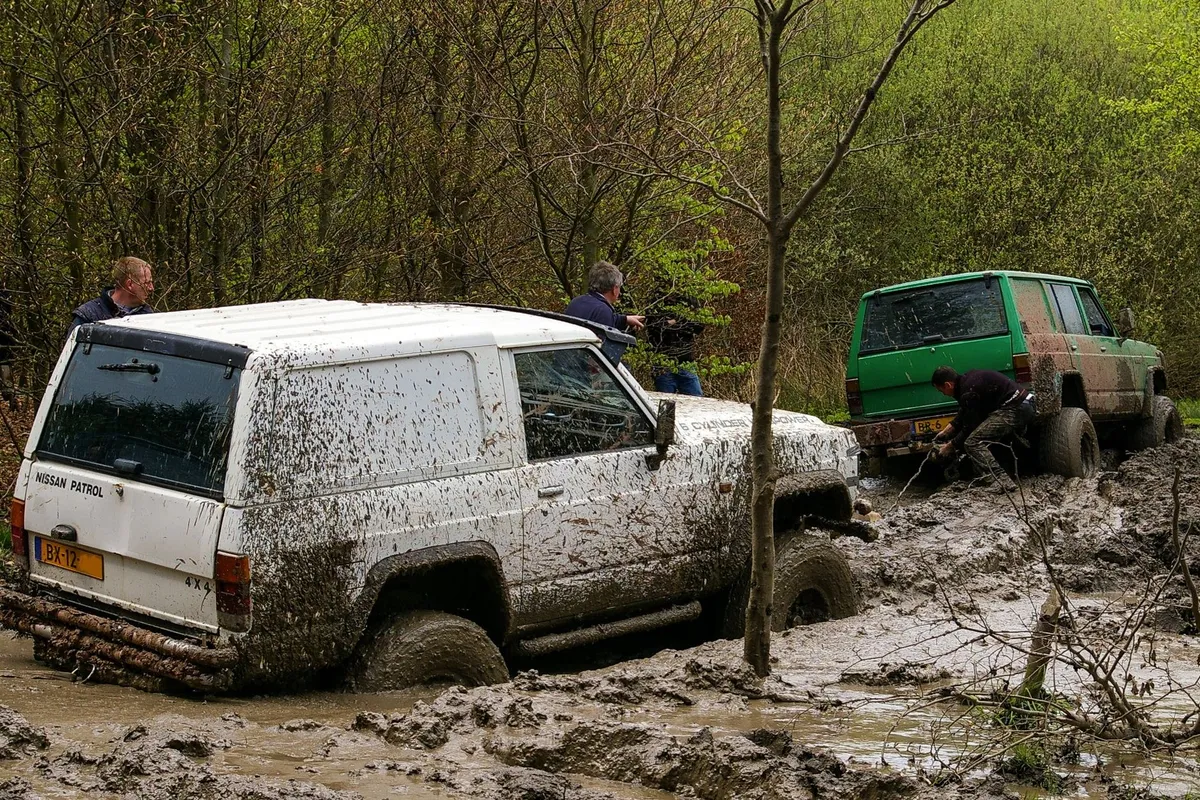
It’s tempting. You’ve got friends, maybe a truck, maybe a chain in the back. But amateur recovery attempts cause more damage than the original incident more often than you’d expect. A vehicle pulled from the wrong angle can suffer frame damage. Chains attached to the wrong points can tear off bumpers or worse. And if the vehicle is stuck in mud or a ditch with any real depth, improper extraction can dig it in further.
There’s also the safety angle. Standing on the shoulder of a busy road while trying to hook up a tow strap is genuinely dangerous. Professional crews have the training, equipment, and, critically, the visibility gear to work roadside without putting themselves or other drivers at risk. For a deeper look at what proper technique actually involves, this breakdown of safe recovery practices is worth a read before you find yourself in that situation.
The equipment gap is also significant. Flatbed trucks, winches rated for real loads, and wheel-lift systems aren’t things most people have access to. When a vehicle is truly stuck, not just a little, you need the right gear, not improvised solutions.
Reading the Signs That It’s Time to Make the Call
So how do you know when to stop trying and pick up the phone? A few clear signals:
The vehicle is on an incline or in water. These are not DIY situations. Period. Water can hide hazards beneath the surface, and an incline adds load and unpredictability that requires proper winching equipment.
You’ve already tried once and it didn’t work. One failed attempt is usually enough information. Each additional try risks more damage to the drivetrain, tires, or undercarriage.
You’re in a high-traffic area. If you’re on a major road or an interstate, get away from the vehicle and call for help. No recovery is worth the risk of being struck by passing traffic.
The vehicle is making unusual sounds or showing warning lights. If something mechanical has already gone wrong, moving the vehicle without professional assessment can turn a fixable problem into a much more expensive one.
Charlotte Towing Service handles calls across the city and surrounding areas every day, and the team hears the same thing repeatedly from drivers who waited too long or tried too hard on their own. The sentiment is almost always the same: they wish they’d called sooner.
What Happens After the Truck Arrives
A lot of people don’t think past the moment of getting unstuck. But what comes next matters too. Once a professional crew arrives, they’ll assess the situation before touching the vehicle, checking the angle, the terrain, and the safest attachment points. That assessment phase is something most DIY attempts skip entirely, and it’s often where the real expertise shows.
Depending on what they find, the vehicle may be winched out, loaded onto a flatbed, or towed using a wheel-lift system. The method depends on the vehicle’s condition, how it’s positioned, and where it needs to go. If there’s mechanical damage, the driver will usually flag it before transport so you’re not caught off guard when you reach the shop.
If you’re not sure what type of service you actually need in a given situation, the full list of available services can help you understand your options before you’re standing on the side of the road trying to figure it out in real time.
Getting stranded is stressful enough on its own. The right crew makes the rest of it straightforward, and gets you back on the road without turning a bad day into a much worse one.
Frequently Asked Questions
My car slid into a ditch in South End after heavy rain, is that something I can pull out with a friend’s truck?
If there’s any real depth to the ditch or standing water involved, a friend’s truck and a tow strap are likely to make things worse, not better, improper angle or the wrong attachment point can cause frame damage or dig the vehicle in further. Charlotte’s flash flooding also hides hazards beneath the surface that you can’t see until something goes wrong. A crew with a proper winch and the right rigging is the call here, not an improvised fix.
What are the attachment points everyone keeps mentioning, and why does it matter where you hook up?
Vehicles have specific reinforced points designed to handle the load of being pulled, hooking a chain or strap to the wrong spot, like a bumper or a plastic trim piece, can tear it clean off and still leave you stuck. Professional crews assess the angle and the terrain before they touch the vehicle, which is the step most DIY attempts skip entirely. Getting that wrong once is usually expensive enough that people don’t try it twice.
If my car is stuck on I-485 during rush hour, should I stay with it while I wait for help?
No, if you’re on a major road or interstate, the article is direct about this: get away from the vehicle and call for help. Being on a busy shoulder while traffic moves at speed is genuinely dangerous, and no recovery situation is worth the risk of being struck by a passing car. Put distance between yourself and the road and let the crew handle the rest when they arrive.
How do I know whether my car needs a flatbed or just a standard tow after getting stuck?
That decision gets made on-site based on the vehicle’s condition, how it’s positioned, and where it needs to go, it’s not something you need to figure out ahead of time. If there’s mechanical damage or the vehicle can’t roll safely, a flatbed is usually the right call, but the crew will assess that before they move anything. What matters is flagging any warning lights or unusual sounds to the driver so they have the full picture before transport.
My battery died in a parking garage in Uptown with nobody around, does that count as a situation where I need professional help?
It depends on whether you can get a jump from someone nearby, but if you’re alone in a structure with no help available, calling a service is the straightforward answer rather than waiting and hoping. The article lists a dead battery in exactly that scenario as one of the common situations people don’t plan for. Having a reliable number already saved means you’re not scrambling to find one when you’re already stuck.