

There’s a moment every driver dreads, the engine sputters, the tire blows, or the car simply refuses to move, and suddenly you’re stranded on I-77 during rush hour with no idea what to do next. Knowing how to handle that moment is exactly what separates a stressful nightmare from a manageable inconvenience. A reliable towing service in Charlotte can make all the difference, but there’s a lot more to getting home safely than just making one phone call. After years of pulling people out of tough spots across the Queen City, experienced operators have learned a thing or two worth sharing.
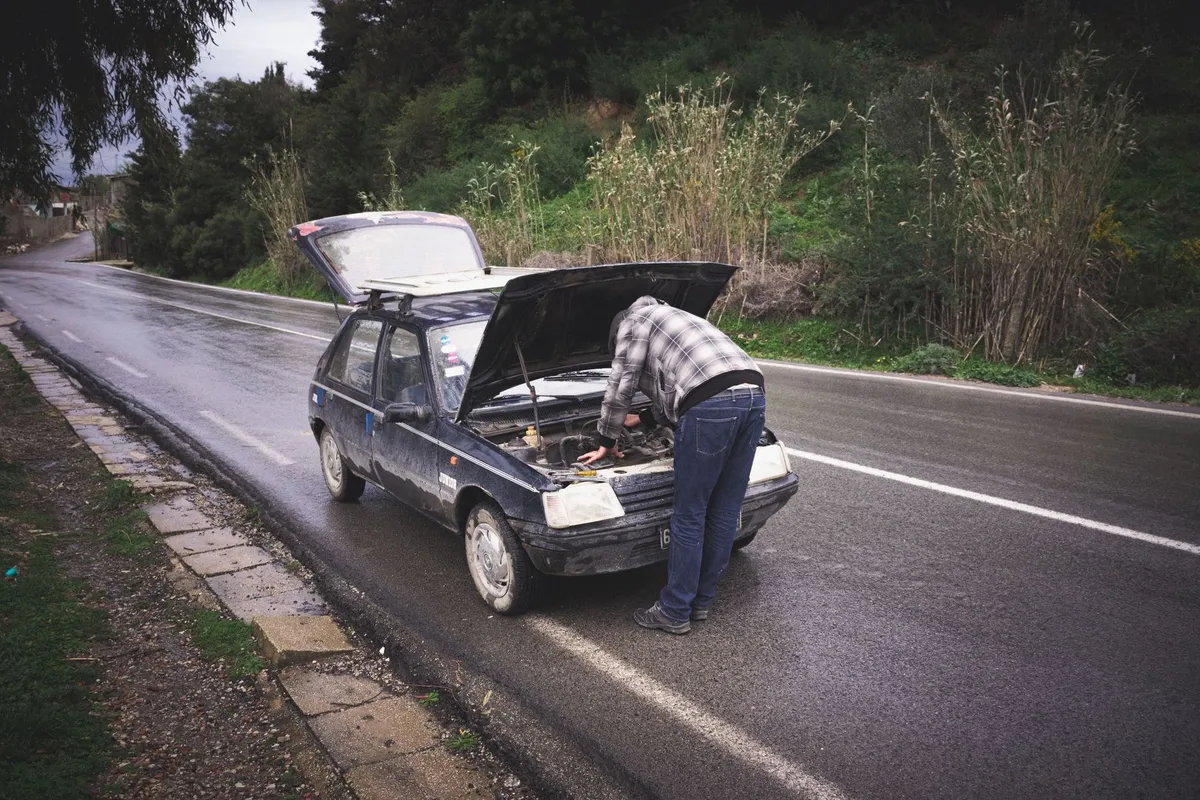
The First Five Minutes After a Breakdown Can Define Everything
Most drivers panic. That’s understandable. But the decisions you make in the first few minutes after your vehicle stops working can either protect you or put you in serious danger.
If you’re on a highway or busy road, get as far off the travel lane as physically possible. Even a foot or two of extra space between your car and passing traffic matters enormously. Turn on your hazard lights immediately, not after you’ve checked your phone, not after you’ve called someone. Right away. Studies consistently show that a significant number of roadside injuries happen because other drivers simply don’t see a stopped vehicle until it’s too late.
Once you’re safely positioned, stay inside your vehicle if you’re on a high-speed road. It feels counterintuitive, but standing outside on a highway shoulder is statistically more dangerous than staying buckled in your car. If you have road flares or reflective triangles in your trunk, deploying them can add a critical layer of visibility, but only do this if you can do it safely from the shoulder.
Then make the call. Have the name of a trusted local operator saved in your phone before you ever need it. Scrambling to search for help while stressed, in the dark, or in bad weather is not the moment you want to be comparison shopping.
Not All Roadside Help Is Created Equal, Know What You’re Actually Getting
One of the biggest misconceptions drivers carry is that all roadside assistance is basically the same. It isn’t. There’s a meaningful difference between a dispatcher who knows Charlotte’s roads, the tricky interchanges on I-485, the narrow side streets in Plaza Midwood, the tight parking situations in Uptown, and an out-of-town operator working off a GPS screen.
Local knowledge matters more than people realize. A crew that operates daily across Mecklenburg County knows which routes get congested at which hours, which neighborhoods have restricted access for large trucks, and how to reach you faster because they actually know the city. That local familiarity is part of why so many Charlotte drivers who’ve used a professional local crew come away feeling genuinely relieved rather than just relieved the ordeal is over. The difference in response time and communication alone tends to stand out.
When you’re evaluating your options, look into what services are actually offered. A full-service operation should handle everything from flatbed transport and long-distance towing to jump starts, lockouts, and fuel delivery. A company that only does one or two things may leave you stranded again if your situation is more complicated than a simple tow.
It’s also worth understanding the difference between light-duty and heavy-duty recovery. If you drive a truck, SUV, or larger vehicle, confirm the operator has the right equipment before they arrive. Sending the wrong truck wastes everyone’s time.

What You Should Always Have in Your Car Before Trouble Finds You
Experienced operators will tell you the same thing: preparation is the best roadside assistance plan you can have. The drivers who handle breakdowns calmly and safely are almost always the ones who prepared ahead of time.
Keep a basic emergency kit in your trunk. That means jumper cables or a portable jump starter, a basic first aid kit, a flashlight with fresh batteries, a reflective vest, and at least one bottle of water. A phone charger or portable power bank is increasingly essential, a dead phone during a breakdown compounds an already stressful situation fast.
Know your tire situation. If your spare is flat or your jack is missing, you’ll find out at the worst possible moment. Check both once every few months. It takes ten minutes and can save you hours of waiting.
Also, keep your insurance and roadside assistance information somewhere accessible, not buried in a glove compartment under six months of receipts. Some drivers photograph their cards and keep them in their phone’s photo library for exactly this reason.
For a deeper look at how preparation plays out across different seasons on Charlotte roads, the guide on essential towing insights for Charlotte drivers covers seasonal hazards worth knowing about.
How to Work With Your Operator Once Help Is on the Way
Once you’ve made the call, your job isn’t done. Give the dispatcher your exact location as precisely as you can, a mile marker, a nearby exit number, a cross street, or a landmark. “Somewhere on I-85” is not enough information to get help to you quickly.
Stay on or near your phone. Operators often call back to confirm location or give an updated ETA, and a missed call can add unnecessary delays. If your situation changes, you’ve moved the vehicle, someone else has stopped to help, or you’ve realized the problem is something simple like a dead battery, call back and update the dispatcher.
When the truck arrives, let the professionals work. Resist the urge to direct how your vehicle is loaded or secured unless you have specific knowledge about your car’s undercarriage or drivetrain. A good operator will ask the right questions, but hovering and second-guessing slows the process and can create confusion.
Finally, ask where your vehicle is being taken and confirm you have the address before the truck leaves. It sounds obvious, but in the stress of the moment, plenty of people forget to confirm the destination and end up scrambling to locate their car afterward.
Getting stranded is never convenient, but it doesn’t have to spiral into a crisis. With the right preparation and a dependable local crew on your side, most roadside situations are resolved faster and more smoothly than drivers expect. The team at Charlotte roadside assistances has been handling exactly these situations across the city for years, and that experience shows in how efficiently they get drivers back on the road.
Frequently Asked Questions
Should I stay inside my car or get out when I break down on I-77 or I-85?
Stay inside your vehicle if you’re on a high-speed road, it feels wrong, but standing on a highway shoulder is statistically more dangerous than remaining buckled in your car. The only exception is if you can safely deploy road flares or reflective triangles from the shoulder, which adds a critical layer of visibility for passing drivers. Get as far off the travel lane as possible first, then make that call before doing anything else.
Why does it matter whether the operator actually knows Charlotte versus just using GPS?
A crew working Charlotte daily knows the tricky interchanges on I-485, which neighborhoods have restricted access for large trucks, and which routes get congested at specific hours, none of that shows up cleanly on a GPS screen. That local knowledge directly affects how fast they reach you and how smoothly the job goes once they arrive. Drivers who’ve used a local crew versus an out-of-town dispatcher consistently notice the difference in response time and communication.
What should I actually tell the dispatcher when I call for help?
Give the most precise location you can, a mile marker, a nearby exit number, a cross street, or a recognizable landmark. “Somewhere on I-85” slows everything down and can add real time to your wait. If anything changes after you hang up, you’ve moved the car, someone stopped to help, or you’ve figured out the problem, call back and update them right away.
What’s the minimum I should keep in my car to handle a breakdown safely in Charlotte?
At minimum: jumper cables or a portable jump starter, a flashlight with fresh batteries, a reflective vest, a basic first aid kit, and at least one bottle of water. A portable power bank is increasingly essential because a dead phone during a breakdown makes everything harder, fast. Also check your spare tire and jack every few months, finding out they’re useless at the moment you need them is a situation worth avoiding.
Does it matter what size vehicle I drive when calling for roadside help in Charlotte?
It matters quite a bit, if you drive a truck, SUV, or larger vehicle, you need to confirm the operator has the right equipment before they head out to you. Sending the wrong truck wastes everyone’s time and leaves you waiting even longer on the side of the road. Ask specifically about light-duty versus heavy-duty recovery capability when you call.