
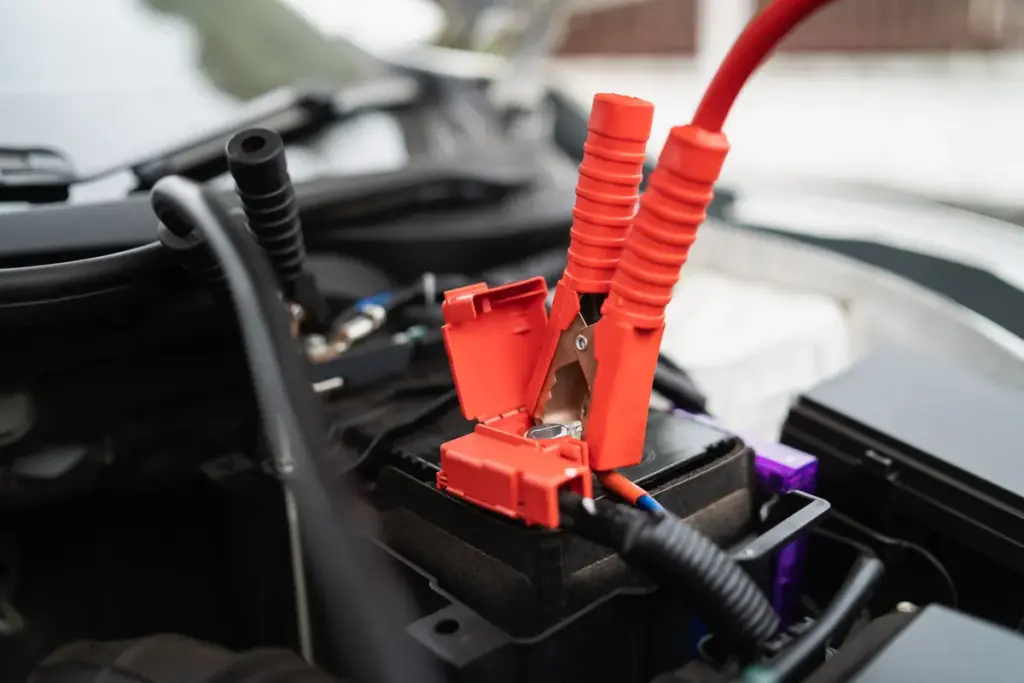
There’s a particular kind of dread that comes with turning your key and hearing nothing, or worse, that slow, grinding click that tells you the battery is done. Whether you’re parked outside a Uptown office building or sitting in a grocery store lot in Ballantyne, needing a jump start service in Charlotte at the wrong moment can throw your entire day sideways. The good news? It doesn’t have to be a long ordeal. Knowing what to expect, and who to call, makes all the difference between a minor inconvenience and a full-blown crisis.
Why Dead Batteries Catch Charlotte Drivers Off Guard
Charlotte’s climate is sneaky. Summers are brutal on batteries, pushing them to work harder to power air conditioning and cooling fans. Then fall rolls in, temperatures drop, and batteries that were already weakened by the heat simply give up. It’s a cycle that catches drivers off guard every single year, and it doesn’t discriminate, newer vehicles are just as vulnerable as older ones.
What most people don’t realize is that a battery can fail without much warning. You might have driven perfectly fine the day before. No flickering lights, no slow cranking. Then the next morning, nothing. This is especially common with batteries that are three years or older. The chemistry inside degrades gradually, and one cold morning or one too many short trips is all it takes to push it over the edge.
Short commutes are actually one of the biggest culprits. If you’re only driving five or ten minutes at a time, which is common in congested areas like South End or NoDa, your alternator never gets enough time to fully recharge the battery after startup. Over weeks and months, that deficit adds up.
What Actually Happens When a Pro Shows Up
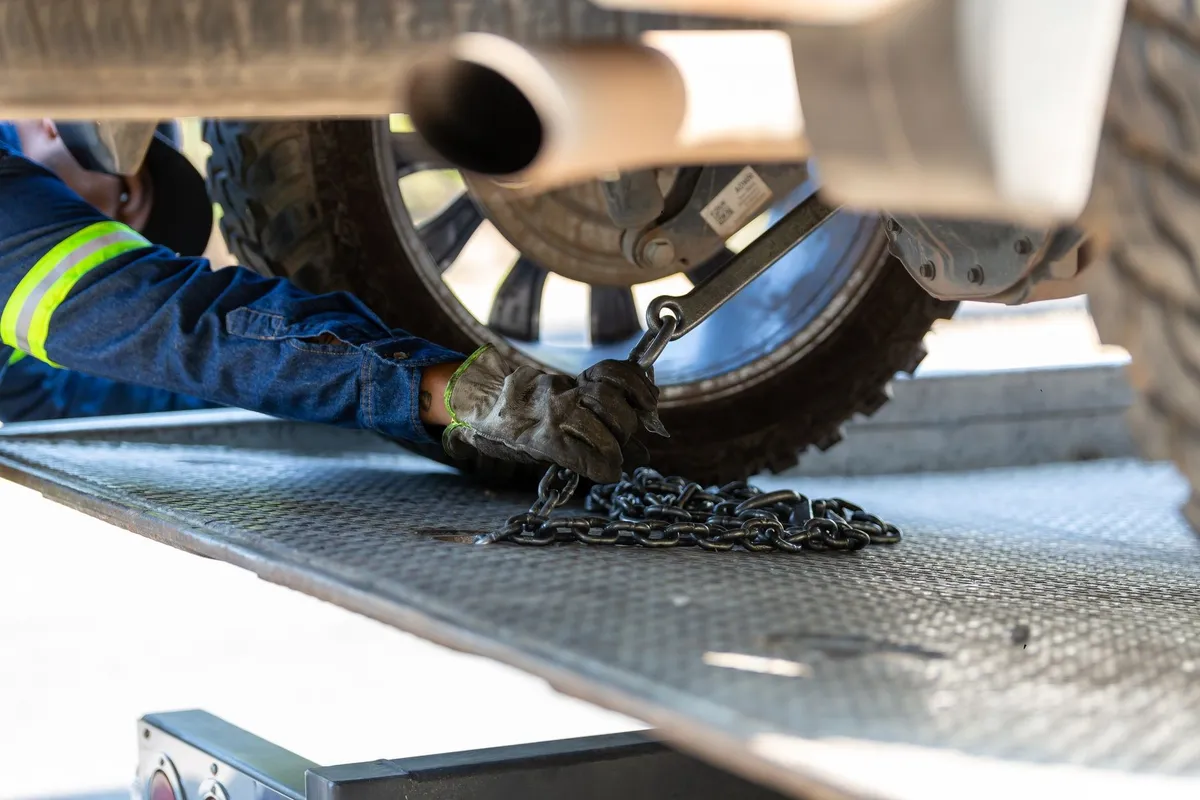
A lot of people assume a battery boost is just two cables and a minute of waiting. In reality, a professional roadside technician does quite a bit more than that. When a trained tech from a reputable Charlotte towing service arrives, they’re not just slapping on jumper cables and hoping for the best.
First, they assess the situation. Is the battery truly dead, or is there a deeper electrical issue, a bad alternator, a parasitic drain, a corroded terminal? Jumping a car with a failing alternator, for example, might get it started, but you’ll be stranded again within a few miles. A professional knows how to spot these warning signs before you drive off.
They also use commercial-grade jump boxes rather than the standard cables most people have rattling around in their trunk. These units deliver a controlled, consistent charge that’s safer for modern vehicles, especially cars with sensitive onboard computers and electronics. Jumping a newer vehicle the wrong way can actually cause electrical damage, which turns a $0 problem into a very expensive one.
Customers who’ve used Charlotte Towing Service frequently mention how reassuring it is to have someone knowledgeable show up, not just someone with a truck, but someone who actually explains what went wrong and what to watch for going forward. That kind of transparency matters when you’re stressed and stuck.
The Mistakes People Make Before Calling for Help
Pride is a costly thing when your car won’t start. Many drivers waste 30 to 45 minutes trying to flag down a stranger with cables, attempting a DIY boost with a cheap portable starter, or just repeatedly cranking the engine, which drains whatever residual charge is left and can overheat the starter motor.
One of the most common mistakes is accepting a jump from someone who doesn’t know what they’re doing. Connecting cables in the wrong order, or connecting them to the wrong terminals, can send a power surge through your vehicle’s electrical system. On older cars, that might just blow a fuse. On a modern vehicle with multiple control modules, it can cause real damage.
If you’re ever unsure about your situation, whether it’s a battery, an alternator, or something else entirely, it’s worth reading up on when to call for professional roadside help rather than trying to troubleshoot on your own. Sometimes the right call is simply knowing when a situation is beyond a quick fix.
Another mistake: assuming that once the car starts, everything is fine. A successful boost only tells you the car can run, it doesn’t tell you whether the battery will hold a charge or whether the alternator is doing its job. Always get the battery tested after a dead start, ideally the same day.
How to Be Ready Before It Happens to You
The best time to think about a dead battery is before you have one. A few simple habits can dramatically reduce your chances of getting stranded. Have your battery tested every year once it passes the two-year mark, most auto parts stores do this for free, and many roadside services can do it on the spot.
Keep a reliable roadside assistance number saved in your phone. Not buried in an email somewhere, not scrawled on a sticky note in your glove box, actually saved as a contact. When you’re sitting in a dark parking deck at 9 p.m. and your car won’t start, you don’t want to be searching the internet for help.
Pay attention to the early signs: slow cranking on startup, headlights that seem dimmer than usual, or electronics that take a moment to respond. These are your battery’s way of waving a white flag before it fully surrenders.
Charlotte drivers deal with enough on the roads, traffic on I-77, construction delays, summer storms that come out of nowhere. A dead battery doesn’t have to be the thing that ruins your day. With the right help on speed dial and a little awareness of what your vehicle is telling you, you can handle it quickly and get back to where you need to be.
Frequently Asked Questions
How long does it usually take for a roadside technician to arrive when my battery dies in Charlotte?
The article doesn’t give a specific arrival time, but it does point out that drivers who try flagging down strangers or fiddling with a cheap portable starter typically waste 30 to 45 minutes before calling for help anyway. Calling a reputable Charlotte towing service right away, rather than as a last resort, is almost always the faster path. Having the number already saved in your phone instead of hunting for it in a dark parking deck cuts that delay down even further.
Can jumping my car actually damage it if it’s done wrong?
Yes, and it’s more of a risk on newer vehicles than most people expect. Connecting cables in the wrong order or to the wrong terminals can send a power surge through the electrical system, and on a modern car with multiple control modules, that can cause real damage, not just a blown fuse. Professional technicians also use commercial-grade jump boxes that deliver a controlled, consistent charge, which is specifically safer for vehicles with sensitive onboard computers and electronics.
If my car starts after a boost, does that mean my battery is fine?
Not necessarily, a successful boost only tells you the car can run in that moment, not whether the battery will hold a charge or whether the alternator is doing its job. The article specifically warns that jumping a car with a failing alternator might get it started, but you could be stranded again within a few miles. Get the battery tested the same day, ideally at an auto parts store or through your roadside service.
Why do so many Charlotte drivers end up with dead batteries in the fall when the weather is still mild?
Charlotte summers push batteries hard because they’re working overtime to power air conditioning and cooling fans, which gradually weakens them. When temperatures drop in the fall, batteries that were already worn down by the summer heat simply give out, sometimes with no warning at all, even if the car drove fine the day before. Batteries three years or older are especially vulnerable to this pattern.
Could my short daily commute around Charlotte actually be killing my battery faster?
It can, yes, if you’re only driving five or ten minutes at a time, your alternator never gets enough time to fully recharge the battery after startup. The article calls this out specifically for congested areas like South End and NoDa, where short stop-and-go trips are common. That deficit builds up over weeks and months until one cold morning or one extra short trip is enough to push the battery over the edge.