
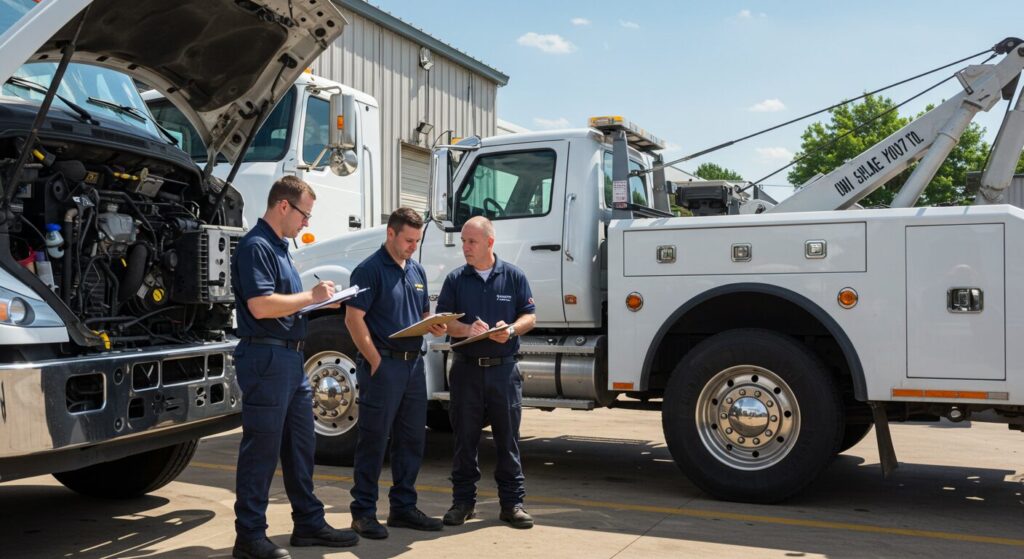
The Truth About Towing Services That Charlotte Drivers Need to Know
When your car breaks down on Independence Boulevard during rush hour, you’re not thinking about marketing promises or flashy advertisements. You’re thinking about one thing: getting help fast. That’s where Towing Service Charlotte comes in—a lifeline when your vehicle decides to quit on you at the worst possible moment. But here’s what most drivers don’t realize until they’re stranded: not all towing companies operate the same way, and knowing the difference can save you hundreds of dollars and hours of frustration.
After two decades in this business, I’ve seen every scenario you can imagine. Flat tires in parking decks. Dead batteries at 2 AM. Accidents on I-77 that need immediate attention. The stories all share one common thread: people wish they had known what to look for in a reliable towing company before they needed one. Let me share what really matters when you’re stuck on the side of the road.
What Actually Happens When You Call for a Tow
Most people think calling for a tow is straightforward—you dial a number, someone shows up, your car gets loaded, and you’re done. Reality is more complicated. The moment you make that call, a chain of events starts that can either go smoothly or turn into a nightmare.
First, the dispatcher needs your exact location. Sounds simple, but you’d be surprised how many people can’t pinpoint where they are, especially on Charlotte’s sprawling highway system. GPS coordinates help, but knowing nearby exits or landmarks makes the difference between a 20-minute wait and an hour-long ordeal.
Next comes the assessment. A professional operator will ask about your vehicle type, the problem you’re experiencing, and whether you need flatbed service or a traditional tow. This isn’t small talk—it determines which truck gets dispatched and what equipment the driver brings. Charlotte Towing Service has built its reputation on asking the right questions upfront, which is why their drivers arrive prepared instead of showing up and realizing they need different equipment.
The actual towing process involves more than hooking up your car and driving away. Your vehicle needs to be secured properly to prevent damage during transport. Wheels must be positioned correctly. Straps need proper tension. One loose connection can mean thousands in damage to your transmission or undercarriage. This is where experience separates the professionals from the amateurs.
The Hidden Costs Nobody Warns You About
Here’s where things get interesting. That initial quote you receive over the phone? It’s often just the starting point. Many companies advertise low base rates to get your call, then add fees that weren’t mentioned during your moment of panic.
Mileage charges can add up fast, especially if you’re being towed across town. Some companies charge per mile after the first five, while others include more distance in their base rate. Then there’s the after-hours premium—because your car doesn’t care that it’s 3 AM on a Sunday when it decides to break down. Weekend rates, holiday rates, and emergency service fees can double or triple that initial quote.
Storage fees are another surprise. If your vehicle can’t be dropped at your home or a repair shop immediately, it goes to an impound lot. Every day it sits there costs money, and those charges start accumulating the moment your car arrives. I’ve seen people pay more in storage fees than the actual tow cost because they didn’t understand the urgency of picking up their vehicle.
The smart move? Ask for a complete breakdown of all potential charges before agreeing to service. A reputable company will be transparent about their pricing structure. If someone gets defensive or vague when you ask about costs, that’s your signal to call someone else. Understanding these hidden expenses can save you from an unpleasant financial surprise when you’re already dealing with car trouble.
Why Response Time Matters More Than You Think
Every minute you spend on the shoulder of a busy road increases your risk. Other drivers are distracted, visibility is limited, and the longer you’re exposed, the higher the chance of a secondary accident. This isn’t fear-mongering—it’s statistics. The National Highway Traffic Safety Administration reports that hundreds of people are killed each year in accidents involving stopped vehicles on highways.
Response time depends on several factors. How many trucks does the company have in service? Where are they currently located? What’s the traffic situation between their position and yours? A company with a single truck serving all of Charlotte can’t compete with one that has multiple vehicles strategically positioned around the city.
Weather conditions throw another variable into the mix. Rain, fog, and occasional ice storms in Charlotte can slow response times significantly. During severe weather, call volume spikes as more vehicles experience problems, which means longer wait times across the board. Companies that prioritize emergency situations and maintain good communication during these peak periods stand out from those that leave you wondering when help will arrive.
Local knowledge plays a bigger role than most people realize. A driver familiar with Charlotte’s neighborhoods can navigate construction zones, find alternate routes during traffic jams, and locate you faster than someone relying solely on GPS. This is one reason why choosing a locally-based company often results in faster service and better overall experience.
What Separates Reliable Operators from the Rest
Licensing and insurance should be non-negotiable, yet some people don’t think to ask about them until something goes wrong. North Carolina requires towing companies to carry specific insurance coverage, and operators need proper licensing. If a company damages your vehicle during transport and they’re not properly insured, you’re left holding the bill.
Equipment quality tells you a lot about a company’s priorities. Well-maintained trucks with modern safety features indicate a business that invests in doing the job right. Worn-out equipment, rust, and obvious neglect suggest corners are being cut elsewhere too. When a driver shows up in a truck that looks questionable, you have every right to ask about their maintenance schedule and insurance coverage.
Customer service reveals itself in small moments. Does the dispatcher sound rushed and dismissive, or do they take time to understand your situation? Does the driver explain what they’re doing and answer your questions, or do they treat you like an inconvenience? These interactions matter because they reflect the company’s overall approach to business.
The best operators treat every customer like their most important one. They understand you’re having a bad day and do what they can to make it less stressful. They communicate clearly about timing, costs, and next steps. They handle your vehicle like it’s their own. These aren’t revolutionary concepts—they’re basic professionalism that too many companies overlook in their rush to move on to the next job.
Reviews and reputation provide valuable insight, but read them carefully. A handful of negative reviews among hundreds of positive ones is normal—no company pleases everyone all the time. But patterns matter. If multiple people mention the same problems, pay attention. Look for detailed reviews that describe specific experiences rather than vague praise or complaints.
Charlotte drivers who’ve worked with reliable operators often mention quick response times, transparent pricing, and professional drivers who go beyond the minimum required effort. These are the companies worth saving in your phone before you need them, because scrambling to find help while stranded on the highway isn’t the ideal time to research your options.
The bottom line? Towing services aren’t all created equal, and the cheapest option rarely turns out to be the best value. When you need help, you want a company with the right equipment, experienced drivers, proper licensing, and a track record of showing up when they say they will. Everything else is just noise. Save yourself the headache by knowing what to look for before you’re stuck on the side of the road wondering why you didn’t plan ahead.
Frequently Asked Questions About Towing Service
How much does a tow truck cost in Charlotte?
The average towing cost in Charlotte ranges from $75 to $125 for a local tow within city limits, depending on the distance and type of vehicle. Longer distances, such as towing from Charlotte to surrounding areas like Concord or Gastonia, can cost $3-$5 per mile beyond the base fee. Heavy-duty towing for larger vehicles like RVs or commercial trucks will cost more, typically starting around $200-$300.
How long does it take for a tow truck to arrive in Charlotte?
Most reputable towing companies in Charlotte aim to arrive within 30-45 minutes of your call, depending on your location and current traffic conditions. During peak hours on I-77 or I-85, or in heavy traffic areas like Uptown Charlotte, response times may extend to 60 minutes. Emergency roadside situations are typically prioritized, and many local companies offer faster response times for stranded motorists on major highways.
Do Charlotte towing companies operate 24/7?
Yes, many professional towing services in Charlotte operate 24 hours a day, 7 days a week to handle emergencies at any time. This includes late-night breakdowns, early morning accidents, and holiday emergencies throughout Mecklenburg County. When choosing a towing company, always verify they offer true 24/7 service with live dispatchers rather than just an answering service, ensuring you get immediate help when you need it most.
Will my insurance cover towing costs in Charlotte?
Many auto insurance policies and roadside assistance plans include towing coverage, typically covering $50-$100 per tow or providing a certain number of free tows per year. Check your policy details or contact your insurance provider before calling a tow truck to understand your coverage limits. If you have AAA or a similar membership, they often cover towing costs up to a specific mileage, which can save you significant money on unexpected breakdowns.
Can towing companies in Charlotte tow my car from private property?
Yes, if you’re the vehicle owner or have proper authorization, Charlotte towing companies can retrieve your car from private property, parking lots, or apartment complexes. However, if your vehicle was towed by a property owner due to unauthorized parking, you’ll need to contact the towing company listed on the posted signs to locate your vehicle and pay applicable fees. North Carolina law requires properties to clearly post towing warning signs, and towing companies must follow specific regulations regarding notification and storage fees.